1.Do you think there will be robots in people’s homes?
你认为平民百姓家里会有机器人吗?
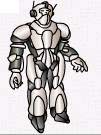
此句是一个含有宾语从句的主从复合句,Do you think…是主句,there will be…是宾语从句。
关于There be句型:
There is (are)表示“某处有某物”。此处的“有”,表示存在关系。如:
There is a book on the desk. 课桌上有本书。
There are some people in the room. 房间里有一些人。
注意:
There is的后面跟可数名词的单数或不可数名词;There are的后面跟可数名词的复数。如果罗列很多东西,则看第一个名词,如果第一个名词是单数,谓语动词用is;如果是复数则用are,可称作“就近原则”。如:
There is a book and two rulers on the desk.
桌子上有一本书和两把尺子。
There are two rulers and a book on the desk.
桌子上有两把尺子和一本书。
拓展:There be 句型有时态的变化
①一般现在时:There is/are…
②一般将来时:There will be…
There is/are going to be…
③一般过去时:There was/were…
这里需要注意的是there be的一般将来时,同学们常犯的错误是there will have或there is/are going to have…,如:
这个星期天将有一场足球赛。
There is going to (There will) be a football match this Sunday.(√)
There is going to have a football match this Sunday. (×)
There will have a football math this Sunday.(×)
2.I think every home will have a robot. 我认为家家都会有机器人。
辨析:every 与each
(1)二者都可译为“每个”。但every着重指由一个一个所形成的全体;用于三个或三个以上的人或物。如:
Every answer is right.
每个(所有)答案都正确。
(2)each着重指全体中的一个个的个体,用于总数为两个或两个以上的人或物;其个别感比every强。如:
Each students had a desk and a chair.
每个学生都有1张书桌和1把椅子。
There are trees on each side of the road.
路的两边都有树。
3.People will live to be 200 years old. 人们将活到200岁。
live to be 200 years old活到200岁。“live to be+基数词+years old”可译为“活到……岁”。live 是动词,其汉语意思是“居住;生活;活……”。如:
Where do you live? 你住在哪儿?
I live in Beijing. 我住在北京。
We live happily. = We live a happy life.
我们过着幸福的生活。(我们生活得很幸福。)
live 读/laiv/时,是形容词,表示“(动、植物)活着的”,置于名词之前;alive, living也是形容词,表示“活着的”。
拓展:
living adj. “活着的”,其反义词是dead; alive adj. 活的,其反义词是dead; 但用法有所不同,alive 不可置于名词之前,所以名词前要用live/laiv/, living。如:
a live/living dog 一只活狗
a live/living fish 一条活鱼
4.Will people use money in 100 years? 100年后人们还使用钱吗?
句中的in表示“在……之后”;in和after都可表示“在……之后”,但用法有所不同。
辨析:in与after
(1)in是指以现在时间为起点的“在一段时间以后”,也可以表示“在将来多少时间之内”,句中的谓语动词要用一般将来时态。如:
He will be back in two days. 他两天以后回来。
(2)after常常指以过去时间为起点的“在一段时间之后”,所以它与过去时态连用。当after指某个特定的未来时刻或日期之后,或指以将来某一时间为起点的若干时间之后时,它可以与将来时态连用。如:
He started on Sunday and arrived in Beijing after three days.
他星期天动身,3天之后到达北京。
I’ll be free after Friday. 我星期五之后有空。
He’ll be free after three o’clock. 他3点之后回来。
5.There will be more/ less/ fewer people. 将会有更多/更少/更少的人。
more是many和much的比较级,其后既可以跟可数名词的复数,也可以跟不可数名词,意思是“更多”。如:
He has more books. 他有更多的书。
less是little的比较级,其后只接不可数名词,意思是“较少;更少”。如:
There is less water in that glass. 那个杯子里的水更少。
fewer是few的比较级,其后只接可数名词的复数形式,意思是“较少的,少量的”。与less同义。如:
I have fewer friends in that school. 在那个学校我有较少的朋友。
Will there be fewer trees there? 那儿的树木会不会很少呢?
拓展:
①many, much的最高级是most,意为“最多”。如:
He has most friends in school. 在学校他的朋友最多。
②many后接可数名词复数,much后接不可数名词。如:
There are many cars in the street. 街上有许多小汽车。
There is much time left. 还有许多时间。
③little的最高级是least,意为“最少的”。如:
I have least money. 我有最少的钱。
④few最高级是fewest,意为“最少的”。如:
He has fewest friends. 他有最少的朋友。
⑤little与few同义,意为“很少;几乎没有”;a little与a few同义,“一些;少量”。
区别:little,a little后接不可数名词;few,a few后接可数名词。
6.Well, I don’t agree, But I think there will be fewer trees.
哦,我不同意你的看法,但我想将会有更少的树。

agree v. 同意;赞同;取得一致意见(其过去式为agreed,反义词是disagree)
They will never agree. 他们永远不会取得一致意见。
辨析:agree with与agree to
agree with与agree to都表示“同意;赞同”的意思,但后面所接的宾语不同。agree with后接指人或表示意见、看法的词;agree to后接表示建议、计划、安排之类的词。如:
I quite agree with you. 我很同意你(的意见)。
Do you agree with what I have said?
你赞同我所说的话吗?
He has agreed to our suggestion about the holiday.
他已经同意我们度假的建议了。
7.…I went to Shanghai last year and fell in love with it.
……去年我去了上海并爱上了它。
fall in love with 喜爱;爱上
fall v. 落下;跌落;降落;成为;变为(fall过去式为fell,过去分词是fallen)
Leaves fall in autumn 秋天树叶落下。
The boy fell into a river. 那男孩跌入河中。
拓展:
fall behind 落在(……的)后面,跟不上
fall into 落入……中
fall off 下降;跌落
8.I think I’ll live an apartment with my best friends, because I don’t like living alone.
我想我会和我最好的朋友住在一座公寓里,因为我不喜欢一个人居住。
alone adj. & adv.
(1)adj. (作表语)独自的;单独的
He was alone in the house yesterday.
昨天他一个人在家里。
(2)adv. (作状语)仅仅,只有
Man alone has the gift of speech.
只有人类有语言的天赋。
辨析:alone与lonely
alone表示“单独,独自一人”,主要强调客观原因;lonely指孤独寂寞,主要指主观上的伤感色彩。
The old man lives alone, but he doesn’t feel lonely.
那位老人独自生活,但他并不感到寂寞。
9.I might even keep a pet parrot!
我甚至可以养一只宠物鹦鹉!
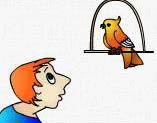
might情态动词,may的过去式,表示可能,不确定,期望,许可等,意为“可能;也许;可以”。
I’m afraid it might rain today.
我看今天恐怕要下雨。
keep v. 过去式和过去分词都是kept,意为“养护;照顾;保管”。如:
keep a pet dog 养宠物狗
I have a family to keep. 我得养活一家人。
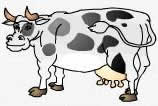
They keep cows on their farm. 他们在农场里养奶牛。
拓展:
(1)keep sb. doing sth. 让某人老是保持某种状态。
Sorry, I kept you waiting so long. 对不起,让你久等了。
(2)keep doing sth. 一直不断地做某事
Why do you keep laughing all the time? 你为什么总是在笑?
(3)keep time 守时
Does your watch keep good time? 你的表走得准吗?